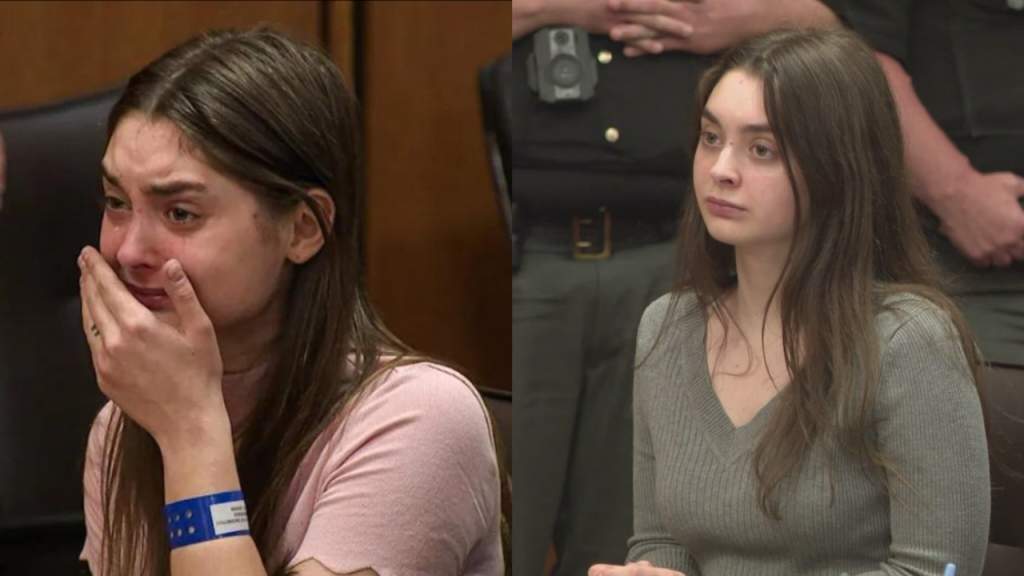
Mackenzie Shirilla appeal rejected as the Ohio Supreme Court declines to review her latest challenge. Learn why the appeal failed, the POTS argument, and what happens next.
The Mackenzie Shirilla appeal rejected decision has brought another major legal chapter to a close in one of Ohio’s most widely followed criminal cases. The Ohio Supreme Court has declined to hear Shirilla’s latest appeal, allowing previous court rulings and her prison sentence to remain in effect.
The decision comes as renewed public interest surrounds the case following the release of a documentary that revisits the fatal 2022 crash and the legal battle that followed.
Why Was the Mackenzie Shirilla Appeal Rejected?
The latest appeal focused on a post-conviction petition that lower courts determined had been filed after the deadline established under Ohio law.
Because the petition was considered untimely, the courts ruled they could not review the claims presented by Shirilla’s legal team. The Ohio Supreme Court declined to accept jurisdiction, meaning it will not reconsider those decisions.
As a result, the previous rulings remain unchanged.
Defense Argued Medical Condition Was Overlooked
Shirilla’s attorneys argued that her original trial lawyers failed to properly investigate whether she suffered from Postural Orthostatic Tachycardia Syndrome (POTS).
According to the defense, the condition can sometimes lead to dizziness, fainting, or temporary loss of consciousness. They claimed expert testimony about POTS could have strengthened the argument that the crash was accidental rather than intentional.
The legal team maintained that the issue deserved further review during post-conviction proceedings.
Background of the Fatal 2022 Crash
The case dates back to July 31, 2022, when authorities said Shirilla drove a Toyota Camry into a commercial building in Strongsville, Ohio.
The crash claimed the lives of:
- Dominic Russo, 20
- Davion Flanagan, 19
Investigators alleged the vehicle was traveling at a high speed before impact and that there was no evidence of braking before the collision.
Following a bench trial, Shirilla was convicted on multiple charges, including murder and aggravated vehicular homicide.
Prosecutors Continue to Stand by the Conviction
Prosecutors have consistently argued that the evidence presented during trial proved the crash was intentional.
They alleged the incident stemmed from a troubled relationship between Shirilla and Dominic Russo. According to prosecutors, Flanagan became an unintended victim because he was also inside the vehicle at the time of the crash.
The prosecution has maintained that the conviction was supported by the evidence introduced during trial.
Why the Courts Rejected the Petition
Under Ohio law, defendants generally have 365 days after the filing of the trial transcript to submit a post-conviction petition.
The appeals court determined that Shirilla filed her petition one day after the legal deadline.
Her attorneys argued that additional juvenile court records and the 2024 leap year should have affected the filing deadline. However, the courts ruled that the statute specifically refers to the trial transcript and provides a fixed 365-day filing period.
Because the petition was filed late, the courts ruled that they lacked jurisdiction to consider the claims.
Documentary Brings Renewed Attention
Interest in the case has grown again following the release of a documentary examining the investigation, trial, and public reaction.
The documentary has introduced the case to viewers who were previously unfamiliar with the events and has renewed discussion surrounding the evidence, legal arguments, and sentencing.
However, the documentary does not change the legal outcome.
What Happens Next?
With the Mackenzie Shirilla appeal rejected by the Ohio Supreme Court, her conviction and sentence remain in place.
Although other legal options may exist under limited circumstances, no immediate changes to her sentence are expected following the court’s latest decision.
Frequently Asked Questions
Why was Mackenzie Shirilla’s appeal rejected?
The appeal was rejected because lower courts found her post-conviction petition was filed after Ohio’s legal deadline, and the Ohio Supreme Court declined to review that ruling.
What medical condition did the defense mention?
The defense argued that Mackenzie Shirilla may have suffered from Postural Orthostatic Tachycardia Syndrome (POTS), which they said could have contributed to the crash.
Is Mackenzie Shirilla’s conviction still in effect?
Yes. The Ohio Supreme Court’s decision means her convictions and sentence remain unchanged.