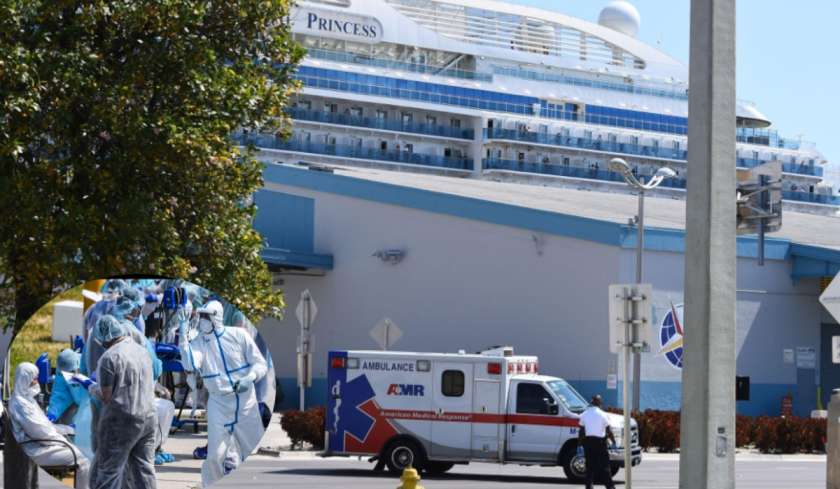
Cruise Ship Hantavirus Outbreak: WHO monitors deadly virus spread in Atlantic cruise ship after multiple deaths and critical infections reported.
A cruise ship hantavirus outbreak in the Atlantic Ocean has triggered global concern, with the World Health Organization closely monitoring the situation. The outbreak has already resulted in multiple casualties, highlighting the seriousness of this rare but potentially deadly virus.
According to initial reports, six individuals aboard the cruise ship have either been confirmed or are suspected to be infected with hantavirus. Among them, three people have tragically lost their lives, while another remains in critical condition and is receiving intensive medical care in south Africa
WHO Steps In to Control Cruise Ship Hantavirus Outbreak
The World Health Organization has taken swift action to monitor and manage this cruise ship hantavirus outbreak. Health authorities are conducting:
- Detailed laboratory testing
- Epidemiological investigations
- Virus sequencing
These steps aim to identify the exact strain of the virus and understand how it is spreading in such a confined environment.
Additionally, WHO is coordinating with international health agencies and the ship’s operators to ensure timely medical evacuation and proper treatment of infected individuals.
What Is Hantavirus and Why Is It Dangerous?
Hantavirus is a rare infectious disease typically transmitted through contact with rodent urine, droppings, or saliva. While uncommon, it can lead to severe respiratory illness, known as Hantavirus Pulmonary Syndrome (HPS).
Key symptoms include:
- Fever and fatigue
- Muscle aches
- Shortness of breath
- Severe respiratory distress
In some cases, limited human-to-human transmission has been reported, making outbreaks like this particularly concerning in enclosed spaces such as cruise ships.
Why Cruise Ship Environments Increase Risk
Cruise ships are particularly vulnerable during outbreaks due to:
- Close living quarters
- Shared facilities
- High passenger density
These factors can accelerate the spread of infectious diseases, including this cruise ship hantavirus outbreak, requiring immediate containment measures.
Emergency Measures and Passenger Safety
To control the situation, authorities have implemented urgent measures:
- Medical evacuation of symptomatic passengers
- Isolation and monitoring of onboard individuals
- Full public health risk assessment for all passengers and crew
The WHO has also alerted global health networks under international regulations to ensure preparedness in case the outbreak spreads beyond the vessel.
Global Response and Ongoing Monitoring
The cruise ship hantavirus outbreak is now under continuous surveillance as health officials work to prevent further transmission. Updates are expected as investigations progress and more information becomes available.
This incident serves as a reminder of how quickly infectious diseases can escalate in confined environments and underscores the importance of rapid response and international cooperation.